>Whenever shooting a subject with a mixture of visible and infrared light, it becomes readily apparent that infrared light focuses differently from visible light. For many subjects, this can mean having to choose between crisp visible contours and an odd pink glow, or blurred edges with some unusual pink features inside. Some things never look sharp no matter where you move the focus.
The extent of this effect is very lens dependent. It also occurs in different colours of visible light too, depending on how well the lens design accounts for it. Optically, the term is "Chromatic Aberration" - lens designers try and account for it in the visible spectrum with optical design and lens coatings, and modern designs are generally extremely well corrected in the visible spectrum. _Usually_ designers aren't worried about the design correctly handing convergence into IR and UV, so how well designs focus them to the same point as the visible spectrum is hit or miss. There's specialist lenses out there that are designed specifically for wide spectrum apochromatism, but they tend to be special purpose and very expensive - especially if they handle UV.
The author mentions it at the bottom of the post as something they're interested in trying out, but I've found it very fun to play with dual bandpass filters - they pass a part of the Visible Spectrum + IR, which creates some interesting options in editing for visual display. There's an example in this set I shot with different filters - https://www.reddit.com/r/infraredphotography/comments/1dnki0...
> it becomes readily apparent that infrared light focuses differently from visible light.
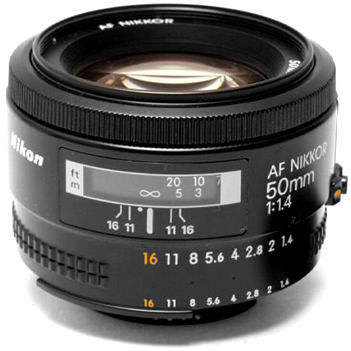
On old school manual focus capable lenses you'll note a small (often red when colors were used to indicate f stops) dot to the left of the focus indication line.
This was the offset for IR photography. You'd focus normally, and then make note of the focus distance and then line up the focus distance with the red dot for IR offset.
---
The UV photography often was done with other glass since the glass used by most lenses does an ok job of filtering UV light.
Superachromat is the term you're looking for in terms of lenses corrected throughout IR to UV.
They're not actually that expensive if you know where to look, I got my Zeiss 250mm supeachromat for about $500 from a Japanese seller. Works a treat for full spectrum film work especially on a system that lets you swap between film backs, if not for the woeful cost of film these days.


.jpg)
The extent of this effect is very lens dependent. It also occurs in different colours of visible light too, depending on how well the lens design accounts for it. Optically, the term is "Chromatic Aberration" - lens designers try and account for it in the visible spectrum with optical design and lens coatings, and modern designs are generally extremely well corrected in the visible spectrum. _Usually_ designers aren't worried about the design correctly handing convergence into IR and UV, so how well designs focus them to the same point as the visible spectrum is hit or miss. There's specialist lenses out there that are designed specifically for wide spectrum apochromatism, but they tend to be special purpose and very expensive - especially if they handle UV.
The author mentions it at the bottom of the post as something they're interested in trying out, but I've found it very fun to play with dual bandpass filters - they pass a part of the Visible Spectrum + IR, which creates some interesting options in editing for visual display. There's an example in this set I shot with different filters - https://www.reddit.com/r/infraredphotography/comments/1dnki0...